|
U.S. gross domestic product — the nation's output of goods and
services — decelerated in the fourth quarter after registering
impressive growth of 4.4% from July through September and 3.8%
from April through June. The latest number was marked down from
the Commerce Department's previous estimate of 0.7%
fourth-quarter growth.
Federal government spending and investment fell at a 16.6%
annual pace because of the shutdown, lopping 1.16 percentage
points off fourth-quarter GDP growth. Consumer spending expanded
1.9%, down a notch from the previous estimate and from 3.5% in
the second quarter. Spending on goods — such as cars and
clothing — grew just 0.3%, down from 3% in the July-September
period.
For all of 2025, the economy grew 2.1% last year, slower than
2.8% in 2024 and 2.9% in 2023.
Business investment, excluding housing, increased at a 2.4%
pace, likely reflecting money being poured into artificial
intelligence, but the increase was down from 3.2% in the third
quarter.
A category within the GDP data that measures the economy’s
underlying strength weakened from October through December,
growing at a 1.8% clip, down from 2.9% in the third quarter.
This category includes consumer spending and private investment,
but excludes volatile items like exports, inventories and
government spending.
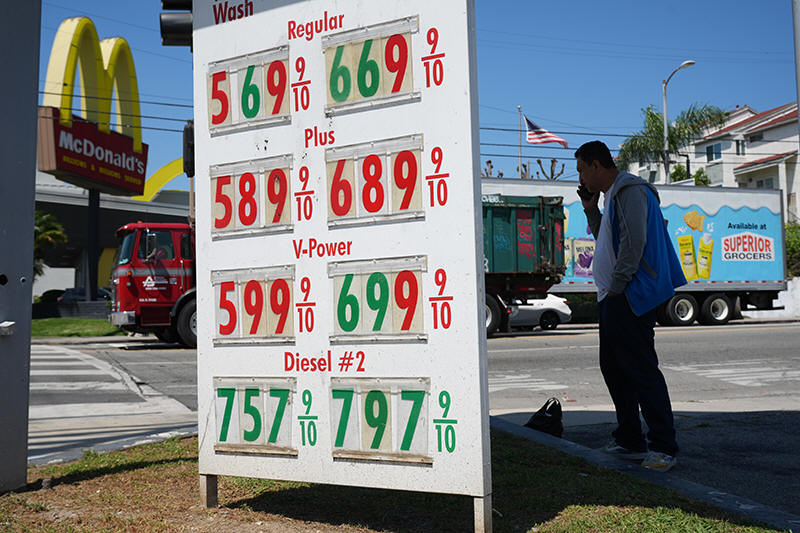
The economic outlook for this year is hazy after the
U.S.-Israeli war with Iran drove up energy prices and disrupted
global commerce.
America's job market slumped last year — recording the weakest
hiring outside a recession since 2002 — but has been up and down
so far in 2026: Employers added a healthy 160,000 jobs in
January, slashed 133,000 in February, then created a surprising
178,000 in March.
Thursday's report was the Commerce Department's third and final
estimate of fourth-quarter GDP. The first look at January-March
economic growth is due April 30.
All contents © copyright 2026 Associated Press. All rights reserved

|
|