|
Inflation hits 3% in Europe as Iran war
spreads oil price shock
[April 30, 2026]
By DAVID McHUGH
FRANKFURT,
Germany (AP) — Soaring oil prices from the Iran war pushed inflation
higher in Europe in April as growth continued to underperform in a
worrying combination both for consumers and policymakers at the European
Central Bank.
Annual
inflation in the 21 countries that use the shared euro currency rose to
3.0% from 2.6% in March, fueled by a 10.9% increase in energy prices,
the European Union statistical agency Eurostat reported Thursday. Crude
oil is trading above $120 per barrel, up from around $73 before the
outbreak of the war on Feb. 28. |

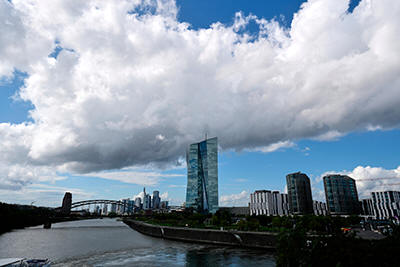
Clouds cover the sky over the headquarters of the European Central Bank
in Frankfurt, Germany, Sept. 11, 2025. (AP Photo/Michael Probst, File) |
|
Meanwhile euro-area growth for the first three months of the
year disappointed with a marginal increase of 0.1% over the
quarter before.
The war is dealing a massive shock to the global economy because
Iran has blocked the Strait of Hormuz, the waterway through
which some 20% of the world’s oil formerly passed on its way to
customers from producers in the Persian Gulf. The surge in oil
prices has been quickly reflected at gas stations and in the
price of jet fuel.
The combination of slow growth and high inflation, or
“stagflation,” threatens to become a headache for the European
Central Bank, whose policymakers are expected to leave its
benchmark interest rate unchanged Thursday, even though
inflation is now clearly above the bank’s target of 2%
The expected surge in inflation is especially troubling because
it comes at a time of sluggish economic growth. The usual
antidote to inflation is for the central bank to raise its
benchmark interest rate, but that can slow growth by raising
credit costs for buying things. If inflation is expected to be
temporary, the typical decision is to look past it because
interest rate changes take months to have an effect on the
economy.
On the other hand, if the central bank waits until inflation is
built into the economy through higher prices for food,
manufactured goods and through higher wage demands, it’s even
harder to wring higher prices out of the economy with painful
rate hikes.
The Bank of Japan and the U.S. Federal Reserve both left rates
unchanged at meetings this week, and the Bank of England was
also expected to also hold steady Thursday.
So the ECB and other central banks are currently frozen in
place, warily watching the inflation wave roll through the
economy and holding off on both rate rises and rate cuts. The
bank’s benchmark rate has been unchanged at 2% since June 2025.
All contents © copyright 2026 Associated Press. All rights reserved

|
|
|