Trump officials propose new requirements for food additives and
ingredients
[August 11, 2026]
By MATTHEW PERRONE
WASHINGTON (AP) — U.S. health officials on Monday proposed a rule change
that would require food manufacturers to notify regulators before
introducing new ingredients or additives into processed or packaged
foods.
The proposal would change a decades-old policy that advocates have
called a regulatory loophole, blaming it for allowing thousands of
unvetted ingredients into the U.S. food supply.
Under the proposed rule from the Food and Drug Administration, companies
would have to document and submit their safety rationale for new
ingredients, giving regulators the opportunity to investigate if they
see a potential risk. Currently companies can decide for themselves if
an ingredient or additive is “generally recognized as safe,” or GRAS,
and there is no requirement to notify or submit evidence to the FDA,
although some firms do.
“Shifting to a mandatory notification system closes a decades-old
information gap, giving the FDA the comprehensive visibility needed to
enhance postmarket safety,” acting FDA Commissioner Kyle Diamantas told
reporters on Monday.
The FDA will take comments on the proposal for 120 days.
Susan Mayne, former director of FDA's food program, said the new
requirement would give the FDA a clearer picture of the vast number of
ingredients on the U.S. market, though only a small portion would
actually undergo review.
“This is a reasonable first step towards a more complete inventory, but
most self-affirmed GRAS ingredients will still not be reviewed for
safety by the FDA, with food ingredient safety continuing to be
risk-based,” said Mayne, who is now a public health expert at Yale
University.
The FDA also plans to publish a list of company-submitted ingredients.
Mayne said Americans should understand that “inclusion on the list would
not mean FDA thinks the ingredient is safe.”

Scrutiny of ultraprocessed food continues, but with few details
In a separate move, the FDA said it has completed work on the federal
government's first-ever definition of ultraprocessed food, but did not
release any details or the proposed language. The agency said it
submitted the definition to the White House for further review.
Health advocates consider an official definition of ultraprocessed food
a key step toward bringing greater scrutiny to meals that are blamed for
multiple chronic health problems afflicting Americans. A
government-backed definition could pave the way for more federal
research and, eventually, possible warning labels or other restrictions.
Neither of Monday's announcements are likely to immediately impact
American diets, which are packed with fats, sodium and sugar and are
blamed for a host of chronic diseases such as obesity, diabetes and
heart disease. But both initiatives are top priorities for Health
Secretary Robert F. Kennedy Jr., who entered government vowing to crack
down on artificial colors, additives and other ingredients.
“These two actions will change how the federal government oversees
what’s in our food and how we understand the foods that Americans eat,”
Kennedy said at an event Monday at HHS headquarters.
Ultraprocessed foods are made using industrial processing and additives,
colors, preservatives or other ingredients not found in home kitchens.
The foods include sugary cereals, sodas, chips, frozen pizzas and other
grocery items.
Scientists have been working to define and classify processed foods for
well over a decade. But sweeping definitions come with downsides. They
can be applied to foods like whole grain bread, yogurt and granola that
are all highly processed but still considered nutritious. Some recent
efforts to define ultraprocessed foods include carve-outs for foods that
meet nutrition standards, despite having processed ingredients.

[to top of second column]
|
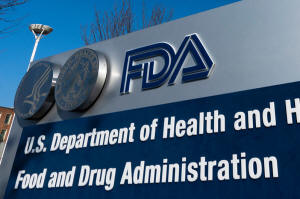
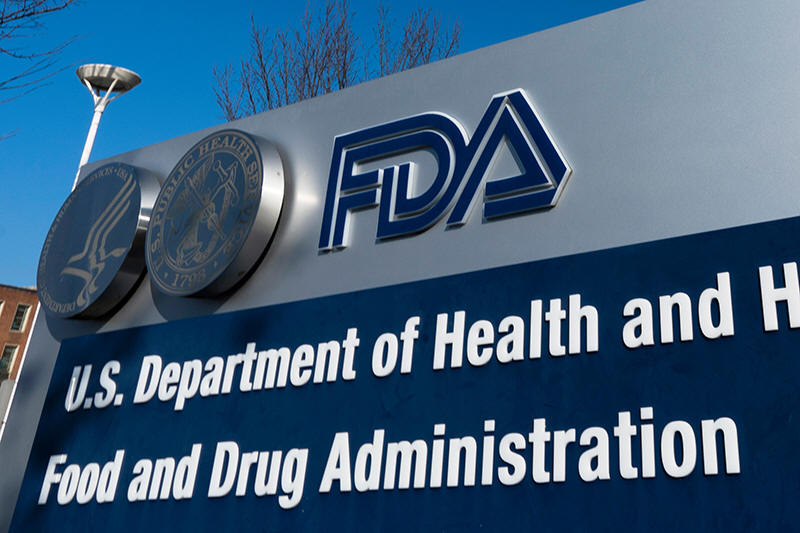
A sign for the U.S. Food and Drug Administration is displayed
outside their offices in Silver Spring, Md., Dec. 10, 2020. (AP
Photo/Manuel Balce Ceneta, File)
 FDA proposal would bring new
insights on additives used by food companies
In the U.S., an estimated 10,000 additives are allowed in food,
including thickeners, preservatives and packaging ingredients.
Consumer advocates have long argued that many of those ingredients
have never been properly vetted because of the FDA's policy allowing
manufacturers to certify for themselves that additives are
“generally recognized as safe,” or GRAS.
FDA's Diamantas stressed Monday that the new policy would not
require all new ingredients to undergo FDA review. He said mandatory
reviews would need to be enacted by Congress.
“What we’re doing is requiring companies that utilize the pathway to
notify us of their conclusions so that we have greater visibility,”
Diamantas said.
Under the proposal, the FDA would be expected to review new
ingredient submissions within 180 days. If regulators had safety
concerns they could request additional information or ask the
company to delay introducing the ingredient.
Consumer advocates who have long pushed for changes said FDA’s
proposal should require more than giving advance notice.
“It must also include strong, science-based safety standards and
thorough, independent FDA review before chemicals are allowed in our
food,” said Melanie Benesh of the nonprofit Environmental Working
Group.
Kennedy said the Trump administration would ask Congress to grant
FDA additional powers over ingredients.
“Congress needs to give FDA the additional tools it needs to keep
pace with the changing food supply and protect the American people,”
Kennedy said.
A rule change in the 1990s created what advocates call a loophole
Any substance intentionally added to food is supposed to undergo
formal review — unless the additive is considered safe. Since the
late 1950s, the government recognized that many common ingredients
in foods, such as spices and vinegar, were widely consumed and
understood to be safe for consumption.
The FDA policed the GRAS exemption for years, but it took time and
resources. Starting in 1997, the FDA began allowing companies to
independently determine that a new additive is safe based on
publicly available scientific evidence and the consensus of
qualified experts.
However, the list of products deemed GRAS by companies grew to
include many synthetic and natural additives, all incorporated into
the food supply without independent review.
The process has created a “secret GRAS loophole,” according to the
Center for Science in the Public Interest and other health groups.
Food industry officials contend their internal reviews of additives
are as rigorous as the FDA’s own process.
All contents © copyright 2026 Associated Press. All rights reserved |