What is atrial fibrillation and how is it treated?
[February 11, 2026]
By MIKE STOBBE
NEW YORK (AP) — Daniel Moore was about 30 the first time it happened. At
the end of a long, hot, stressful day, he chugged an ice-cold glass of
milk.
“It felt like a bunny rabbit trying to jump out of my chest," said
Moore, now 60.
Moore, a radiologist, knew what it was: A-fib.
Short for atrial fibrillation, A-fib is a quivering or irregular
heartbeat that is a worrisome stage-setter for blood clots, stroke and
heart failure. Some researchers believe more than 10 million Americans
have it — most of them older. And it's expected to become even more
common in the years ahead.
Yet, University of Utah heart researcher Dr. T. Jared Bunch sees reason
for optimism.
"Even though we see more of the disease, we're better at treating it,”
said Bunch, who co-authored a book on A-fib.
Symptoms can include shortness of breath
A-fib occurs when the heart’s upper chambers, called the atria, beat out
of sync with the lower chambers, the ventricles. Not everyone is aware
something is wrong, but some people suffer alarming symptoms like a
pounding heartbeat and shortness of breath.
“I definitely have no exercise tolerance when I’m in it,” Moore said. “I
can’t run. Walking is tiring faster. I get a little light-headed
standing up.”
The heart can surpass 200 beats per minute for someone with A-fib, more
than double the 60 to 100 beats typical for a healthy adult's resting
heart rate.

Symptoms can come and go, and it's not usually life-threatening by
itself. But the erratic beating can lead to blood pooling in the heart
that can become clots in days or even hours. Those clots, in turn, can
travel to the brain and cause strokes.
A-fib also can increase the risk of developing ventricular fibrillation
— a more serious condition.
Diagnosis is becoming more common
Experts say smartwatches and other devices that can detect erratic
heartbeats are one reason A-fib diagnoses are increasing.
Many people who experience symptoms don’t understand what is happening.
The American Heart Association found that more than half of people with
A-fib didn't know about the condition before they were diagnosed.
Studies have suggested 15% or more of strokes can be tied to A-fib, and
that the percentage rises in older people. The condition is one reason
that U.S. stroke deaths rose in the last decade, although the stroke
death rate has dipped in the last few years.
What causes A-fib?
Researchers attribute A-fib to damage in the heart's upper chambers and
its electrical signaling. Genetics can play a role, but other
contributors include high blood pressure, diabetes, stress, sleep apnea,
smoking and alcohol.
Those harms accumulate over time, which is one reason why the condition
tends to hit older adults. About 70% of A-fib cases are people 65 and
older, Bunch said.
Viruses can also pose a threat because they can affect the proteins
behind the heart's electrical signals or prompt an immune response that
damages heart tissue. COVID-19 is among the list of viral culprits, and
likely contributed to A-fib in some patients, experts say.

[to top of second column]
|

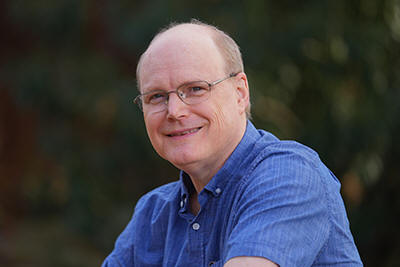
Dr. Daniel Moore poses for The Associated Press Feb. 2, 2026, in
Coppell, Texas. (AP Photo/Julio Cortez)
 Studies have found no link to
COVID-19 shots, said Dr. Jose Joglar, a Dallas-based expert who
helped author American Heart Association guidelines on A-fib
diagnosis and management.
Doctors have a range of treatment options
There’s no cure, but a number of therapies can help manage the
problem.
“We’re miles beyond where we used to be” in treating A-fib, said Dr.
Laurence Epstein, of Hofstra University and Northwell Health. “The
technology has really evolved.”
One initial treatment is a cardioversion, which involves using a
defibrillator to deliver an electric shock to the heart to restore
rhythm. It's often successful, but sometimes only temporarily.
For some patients, doctors may recommend implanted devices.
Pacemakers can regulate heart rhythm, and a device called a Watchman
can close off a clot-prone area of the upper heart.
And then there's ablation. It's a procedure in which a doctor uses
heat, cold or electric pulses to zap certain areas of the heart,
creating scars that block faulty electric signals. Traditionally,
ablation was used when other approaches failed, but in recent years
ablation techniques have become more advanced and it has become a
first choice for certain patients, including those with heart
failure.
Medications to regulate the heart or thin the blood to reduce stroke
risk can have problematic side effects.
How to lower your risk
People can lower their risk of developing A-fib by living a healthy
lifestyle. That includes exercising, getting enough sleep, eating a
healthy diet, managing high blood pressure, and avoiding tobacco
products and alcohol.
Doctors also have long warned about excessive levels of caffeine,
although some new evidence suggests that at least a little may be
OK. One small study published recently found that patients who
averaged one cup a day saw less recurrence of symptoms than those
who abstained entirely.

If symptoms do develop, it's important to take them seriously, said
Amy Stahley, who was first diagnosed three years ago.
She went to bed one night and her heart began racing to more than
150 beats per minute. She immediately went to a hospital.
“If you're feeling a little off, get it checked out,” said Stahley,
who is a nurse and dean of Davenport University's College of Health
Professions in Michigan.
Moore, a radiology professor at UT Southwestern Medical Center in
Dallas, agreed.
“The longer you stay in A-fib, the more likely you are to stay in it
for life,” he said.
All contents © copyright 2026 Associated Press. All rights reserved |