|
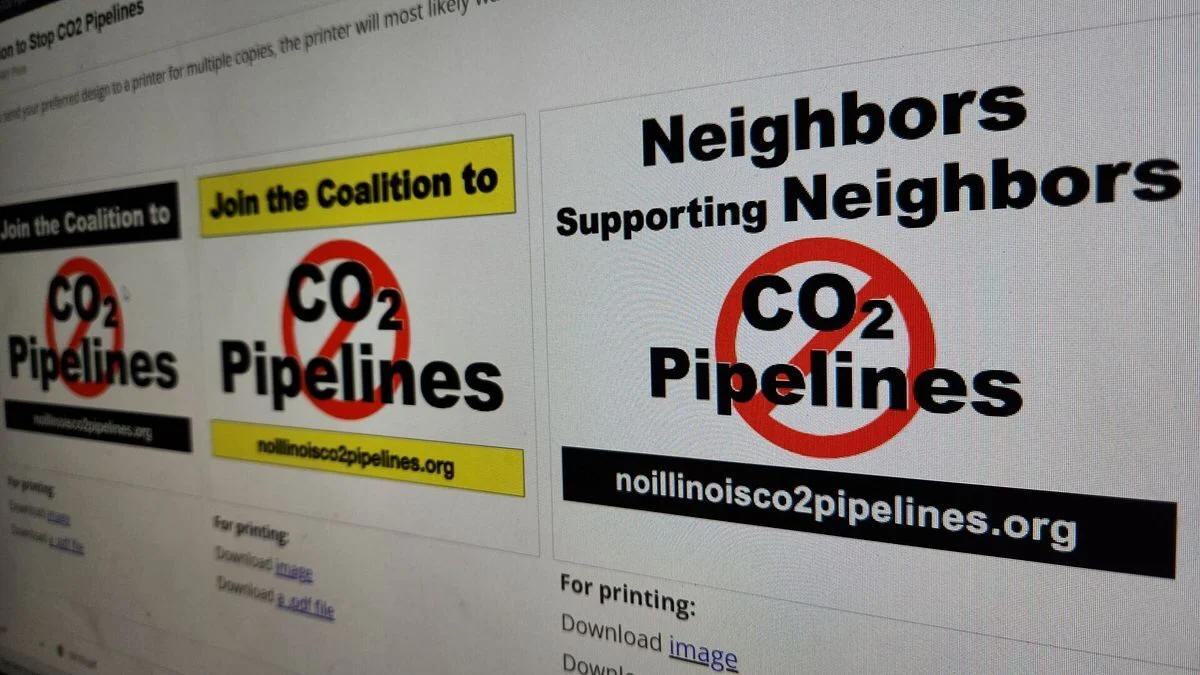
Carbon sequestration advocates say the process of storing carbon
dioxide could benefit the environment and provide future energy
options. Getting the industrial byproduct to storage locations
requires pipelines. But, property rights advocates like Kathleen
Campbell warn these are not like natural gas pipelines.
“So as people find out how dangerous these pipelines are, this
is very different than gas and oil pipelines, they're much more
dangerous, and they don't carry any energy,” Campbell told The
Center Square. “It's toxic hazardous waste.”
If a CO2 pipeline ruptures, she said there’s virtually no
escape.
“Anything other than an all electric car won't run because there
won't be enough oxygen. But even if your car did run, you had an
all electric vehicle, for the concentrations of CO2 coming out
at near distances, you're going to be having seizures. You're
going to be losing your hearing. You're going to be losing your
vision. You're going to be losing your cognitive function,”
Campbell said. “So basically, you have no hope of escaping.”
Campbell is part of an effort to advance a bipartisan bill at
the Illinois Statehouse.
“We just want to pass a simple bill. No eminent domain. Just
like South Dakota, just like Iowa was trying to pass. Just like
Minnesota. And that's all we want,” Campbell said.
With bipartisan support, Illinois Senate Bill 2842 has been
assigned to the Senate Energy and Public Utilities Committee.
|
|