Medicare proposes new transplant system rules that might spur use of
less-than-perfect organs
[January 29, 2026]
By LAURAN NEERGAARD
WASHINGTON (AP) — The government proposed new rules for the nation’s
transplant system Wednesday that aim to increase use of
less-than-perfect organs and set additional safety standards for donor
groups.
The Centers for Medicare and Medicaid Services said the proposal would
strengthen its oversight of organ procurement organizations or OPOs,
groups that retrieve organs from deceased donors.
More than 100,000 people are on the U.S. transplant list, the vast
majority seeking a kidney, and thousands will die waiting for a new
organ. Wednesday’s move is part of an ongoing overhaul of the complex
transplant system that began during the first Trump administration.
But it comes after donations from the deceased dropped last year for the
first time in over a decade, sparking concern about mistrust in the
system. While organ transplants have been rising –- just over 49,000
last year compared with 48,150 in 2024 –- that year-over-year increase
also slowed.
“Every missed opportunity for organ donation is a life lost,” CMS
Administrator Dr. Mehmet Oz said in a statement Wednesday.

He said the proposed rule, expected to be finalized later in the year,
“strengthens accountability, clarifies expectations and gives us
stronger tools to remove underperforming organizations, protect patients
and honor the incredible gift of life.”
In a step toward more potentially usable organs, the proposal urges
maximizing the use of “medically complex organs,” typically those from
older or sicker donors. CMS would add new requirements for how OPOs
track the retrieval and usage of those less-than-perfect organs, which
the agency said may need “special or additional considerations" in
finding an appropriate recipient.
Many OPOs already have increased retrievals of those less-than-perfect
organs, especially kidneys. For example, a less-than-perfect donated
kidney might not be good enough to last the lifetime of a young
recipient but it could give an older, sicker patient, who might not get
another offer, some time off dialysis. Yet for a variety of reasons,
many transplant centers don’t accept medically complex donated organs
even when medical criteria suggest they’d be a good match for a patient.
[to top of second column]
|
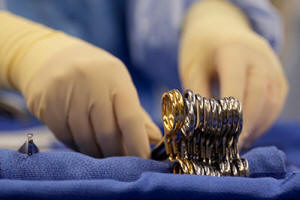
Surgical instruments are arranged during an organ procurement
surgery June 15, 2023, in Tennessee. (AP Photo/Mark Humphrey, File)
 Jeff Trageser, president of the
Association of Organ Procurement Organizations, said Wednesday that
he was “cautiously optimistic” a clearer definition of these donors
and organs would help encourage their use both by OPOs and by
hospitals.
“If we’re going to look at maximizing opportunities to get people
off the transplant list we’ve got to be sure hospitals are
supporting donation, helping us to manage those medically complex
donors, and transplant centers have mechanisms in place where they
can make use of those,” he said.
CMS officials didn’t respond when asked if similar requirements were
planned for transplant centers or donor hospitals.
Among other steps in the proposed rule are new definitions of what
constitute “unsound medical practices” for organ-handling and
patient safety, criteria that CMS uses in regulating and certifying
organ groups.
Those are in addition to other safeguards being adopted by OPOs and
under consideration by another government agency after some rare but
scary reports of patients prepared for organ retrieval despite
showing signs of life. Those planned retrievals were stopped but
they shook public confidence, prompting thousands of people to
remove their names from donor lists last year.
All contents © copyright 2026 Associated Press. All rights reserved
 |