Illinois lawmakers consider bill to restrict SNAP buys
[January 30, 2026]
By Catrina Barker | The Center Square contributor
(The Center Square) – Illinois lawmakers are considering legislation to
limit what recipients of the Supplemental Nutrition Assistance Program
can buy, a proposal supporters say encourages healthier choices while
critics worry about access and affordability.
Senate Bill 2908, introduced by state Sen. Neil Anderson, would direct
the Illinois Department of Human Services to seek federal approval to
bar SNAP benefits from being used on candy, sugary drinks and other
highly processed foods. Anderson said the bill “has been necessary for
quite a while” to ensure “taxpayer dollars for SNAP aren’t being spent
on junk food.”
“For low-income people on SNAP, we want to make sure that they are
getting the best food possible nutritionally, so that they’re not
chronically ill, whether it’s obesity or diabetes or what have you,”
said Anderson.
Under the bill, IDHS would oversee implementation if federal approval is
granted, though the department would operate within the guidelines
established by the USDA.
“They would have some say in the oversight, but it would be pretty
narrow based on the USDA,” Anderson said.
IDHS did not immediately respond to The Center Square’s request for
comment.
Ohio is moving forward with plans to restrict the purchase of
carbonated, sugary drinks and potentially other high-sugar items like
candy using SNAP benefits, with new rules anticipated to take effect
this year.
Anderson emphasized that the bill does not take away personal choice.
“This doesn’t mean that people can’t buy, you know, sugary snacks or
soda. They would just have to do so with their own money and not SNAP,”
he said. “The data was there just to show how chronically ill these
people are and how SNAP benefits or taxpayer funds shouldn’t be
contributing to that.”
Critics say residents in food deserts, where stores like 7-Eleven may be
the only option, could face limited access to groceries.
Anderson acknowledged the issue but said the state is taking steps to
address it.
[to top of second column]
|
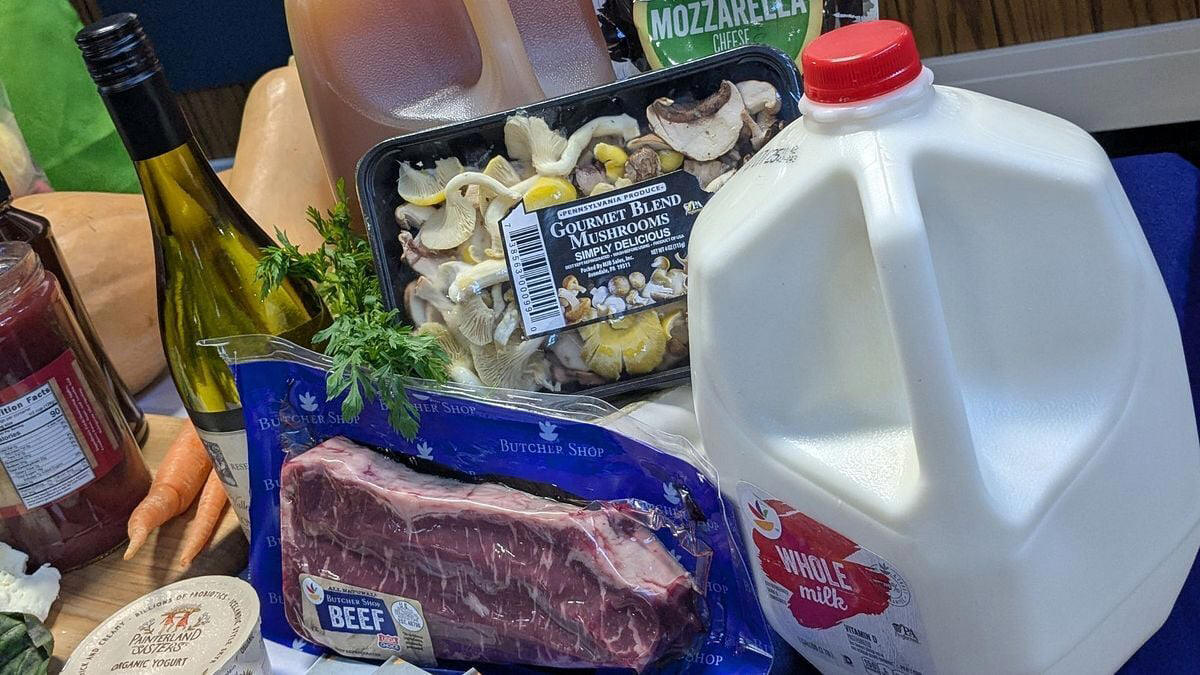
Groceries including beef, milk, mushrooms, and other food products
are displayed. Photo: Christina Lengyel / The Center Square

“Even at 7-Elevens, there are still healthier options than candy and
soda,” he said. “Obviously we need to do more, but we’re working on
that legislatively, and the governor has had some funding to address
food deserts in recent budgets.”
Illinois has dedicated $20 million through the Illinois Grocery
Initiative to help address food deserts by supporting existing
stores and encouraging new grocery development. Additional grant
rounds have provided millions more for projects, including roughly
$7.9 million in 2024 and over $10 million in 2025 for store upgrades
and new locations.
Supporters of SNAP reforms often argue the measures can encourage
workforce participation by promoting healthier populations, while
critics worry about limiting access to food. Anderson said the
legislation strikes a balance.
“This is not taking away SNAP benefits,” he said. “It’s simply
saying that it’s not going to pay for things that are directly,
according to the health organization, contributing to obesity,
diabetes, heart disease, hypertension. Healthy people are people
that are able to work.”
Anderson also addressed concerns about cost, arguing that
restricting sugary drinks and ultra-processed desserts would not
leave recipients without affordable options.
“I don’t subscribe to that argument,” he said. “There’s plenty of
healthier options. This is just getting rid of the narrowly focused
sugary drinks, candy, and ultra-processed desserts. Outside of that,
there’s still plenty of affordable options.”
 |