Study suggests the threat of mold-associated illnesses may be
underappreciated
[July 30, 2026]
By MIKE STOBBE
NEW YORK (AP) — A first-of-its-kind U.S. study suggests invasive mold
infections may be an underappreciated — and potentially deadly — threat.
The researchers detected about 450 cases in Atlanta-area hospitals over
five years. About a third of the patients died in the hospital.
The findings, published this week by the U.S. Centers for Disease
Control and Prevention, come from an attempt to better gauge how common
these kinds of illnesses are. The government does not require doctors to
report the illnesses.
“It's kind of the first time we've had an estimate like this," said the
CDC's Dr. Jeremy Gold, the study's senior author.
And it's important to understand it now, because the problem may grow in
the future, he added. Mold exposure is a recurring problem in the wake
of hurricanes, floods and other natural disasters influenced by climate
change, researchers have found.
“I agree that the frequency of fungal infections will likely increase
with climate change,” said Dr. Jeffrey Jenks, an infectious disease
researcher at Duke University.
Meanwhile, there’s a growing population of older people who are more
susceptible to such illnesses, Gold said.
Invasive mold diseases are rare infections caused by certain species.
Most people who get infected inhale mold spores, but they can also enter
the body through cuts or wounds or from contaminated medical equipment.
The spores don't cause health problems for most people, but they can be
life-threatening to some, including the elderly, cancer patients and
others with weakened immune systems.
Previously, CDC researchers estimated more than 15,000 hospitalizations
a year could be tied to invasive mold disease.

[to top of second column]
|
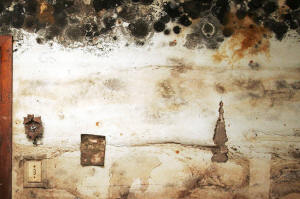
Mold grows on the walls of a home in the Gentilly area of New
Orleans Tuesday, June 12, 2007, damaged by the floodwaters from
Hurricane Katrina. (AP Photo/Alex Brandon, File)
 To better understand how common
cases might be at a local level, the research team worked with four
Atlanta-area hospitals and their affiliated outpatient clinics to
look for potential cases from 2020 to 2024.
They initially identified nearly 1,000 potential cases, but winnowed
the number down to about 450 by ruling out patients who may have had
signs of exposure but didn't qualify as having invasive mold
disease.
The researchers found that hospitals can expect to see 3 to 5 cases
per year for every 100 inpatient beds. The rates were higher at
larger academic hospitals that tend to see more complicated
illnesses.
Most patients had impaired immune systems or — in a number of cases
— were weakened after falling sick from COVID-19.
Mold exposures can occur in hospitals or other healthcare
facilities, but the study did not try to determine where each
patient was first exposed, Gold said.
It's hard to generalize what was seen in the Atlanta area to other
parts of the country where mold may be more or less of a problem, he
said. But it should give hospital administrators at least a rough
idea about whether the number of cases they see is what might be
expected or whether it's an outbreak, Gold added.
Jenks called the study's findings "valuable," but said “seeing
results from similar studies done in different parts of the United
States would be helpful.”
All contents © copyright 2026 Associated Press. All rights reserved |