|
The number of casualties could increase as crews from the
country’s National Disaster Management Authority survey the
affected areas, the authority’s spokesman, Yousuf Hammad, said
in a statement. Thirteen of Afghanistan’s 34 provinces, mostly
in the western, central and northwestern parts of the country,
were affected.
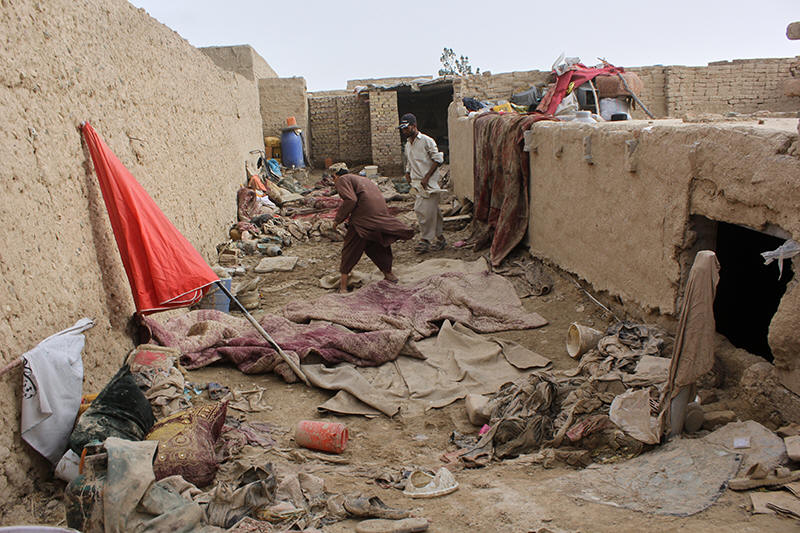
The severe weather also left 147 homes either completely or
partially destroyed, wiped out 80 kilometers (about 50 miles) of
roads and destroyed agricultural land and irrigation canals and
businesses, Hammad said. In all, he said, 530 families were
affected.
Heavy rainfall was also forecast to affect eastern and central
parts of the country Monday, and Hammad warned flooding was also
possible in those areas. The disaster management authority
warned residents to avoid river banks and areas at risk of
flooding in those regions, and ordered local officials to be on
standby to provide assistance.
Earlier this year, heavy snowfall and flash floods left dozens
of people dead across the country.
Afghanistan is highly vulnerable to extreme weather events, with
snow and heavy rain that trigger flash floods, often killing
dozens, or even hundreds, of people at a time. In 2024, more
than 300 people died in springtime flash floods.
Decades of conflict, coupled with poor infrastructure, a
struggling economy, deforestation and the intensifying effects
of climate change have amplified the impact of such disasters,
particularly in remote areas where many homes are built of mud
and offer limited protection against sudden deluges or heavy
snowfall.
All contents © copyright 2026 Associated Press. All rights
reserved |
|