The Iran war is hitting home as gasoline prices fuel inflation surge of
3.8% in the US
[May 13, 2026] By
PAUL WISEMAN
WASHINGTON (AP) — U.S. consumer prices climbed sharply again last month
as the 10-week war with Iran delivered higher gasoline prices and more
pain for Americans.
The Labor Department's consumer price index rose 3.8% from April 2025,
the biggest jump in three years, and up from a 3.3% year-over-year gain
in March. On a month-to-month basis, April prices rose 0.6% from March
as gasoline prices rose 5.4%, according to the data released Tuesday.
The month-over-month gain was down from a 0.9% increase in overall
prices from February to March, when the initial financial shock from the
war hit the U.S. economy.
Labor Department figures showed that gasoline prices are up more than
28% compared with a year ago. However, the AAA motor club listed the
average regular gallon of gasoline above $4.50 on Tuesday, about 44%
more than it cost last year at this time.
Excluding volatile food and energy costs, so-called consumer core prices
rose 0.4% last month from March and 2.8% from April 2025, relatively
modest readings that suggest the energy price burst has yet to spill
over more broadly into prices for other goods.
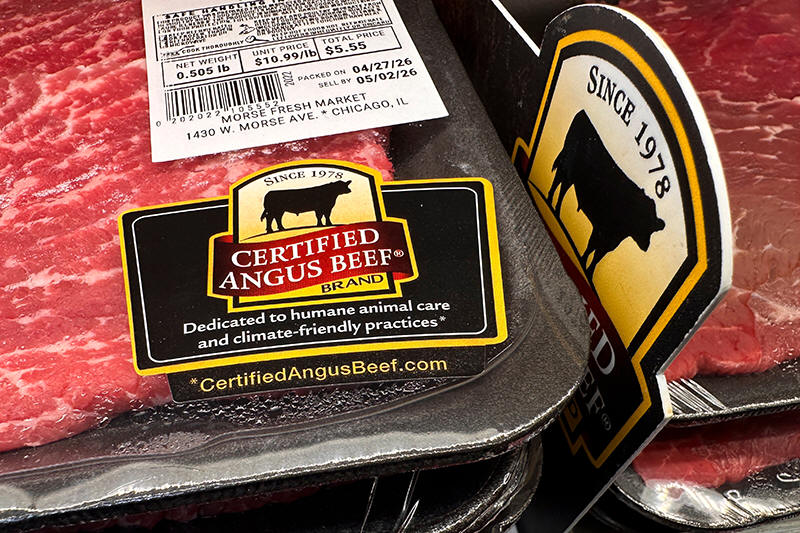
Grocery prices rose 0.7% from March to April as meat prices rose after
they had declined slightly in the month before.
Prices are rising at a time when Americans are already frustrated by the
high cost of living. Affordability is likely to be a key issue when
voters go to the polls Nov. 3 to determine whether President Donald
Trump's Republican Party maintains control of the U.S. Senate and House
of Representatives.

“Inflation is the key drag on the U.S. economy now,” Heather Long, chief
economist at Navy Federal Credit Union, wrote. “There is a real
financial squeeze underway. For the first time in three years, inflation
is eating up all wage gains. This is a setback for middle-class and
lower-income households and they know it. They are having to cut back on
spending and stretch every dollar.”
In April, average hourly wages fell 0.3% from a year earlier after
accounting for inflation – the first year-over-year drop in three years.
Inflation had been dropping more or less steadily since peaking with a
9.1% year-over-year spike in June 2022, a surge caused by supply chain
bottlenecks at the end of COVID-19 lockdowns and a jolt for energy
prices following the Russian invasion of Ukraine. But inflation has
remained above the Federal Reserve’s 2% target.
Then, the United States and Israel attacked Iran on Feb. 28, and Tehran
responded by shutting off access to the Gulf of Hormuz, through which a
fifth of the world’s oil and liquefied natural gas passes. That has sent
oil prices, and most visibly gasoline, racing higher.
[to top of second column] |
Beef is displayed for sale at a grocery store Wednesday, April 29,
2026, in Chicago. (AP Photo/Erin Hooley)
 The Fed, which had been expected to
cut its benchmark interest rate in 2026, has turned cautious as it
waits to see how long the conflict lasts and whether higher energy
prices spill over into other products and cause a broader
inflationary outbreak.
Trump has lambasted the Fed and its outgoing chair, Jerome Powell,
for refusing to slash rates to boost the economy. Kevin Warsh, the
president’s hand-picked choice to succeed Powell, is expected to be
confirmed by the Senate this week; but it’s unclear whether Warsh
would pursue lower rates given the uncertainties arising from the
war — or whether he could persuade his colleagues on the Fed’s
rate-setting committee to go along if he tried.
Some companies are also starting to feel the pain.
Whirlpool, which makes KitchenAid and Maytag appliances, reported
last week that revenue dropped nearly 10% in its most recent quarter
and said that the war has caused a “recession-level industry
decline″ that has undermined consumer confidence.
Grace King of Ames, Iowa, said that higher prices in the food aisle
and at the pump are making her cut back on spending for things like
clothing. The administrative assistant, 31, used to spend $200 per
month on clothing, mostly on Amazon, but not anymore.
“There’s pressure basically everywhere from the groceries that I buy
to the gas to fill up the tank,” she said. “I’ve severely cut back
on my frill spending.”
For example, King noted that while it’s only a five-minute drive to
work, she makes the trip twice a day. And if she needs to do any big
shopping, that’s a 40-minute drive to malls in Des Moines, Iowa.
____
AP Retail Writer Anne D'Innocenzio in New York contributed to this
story.
All contents © copyright 2026 Associated Press. All rights reserved
 |